


 Dec 06, 2025
 3 min read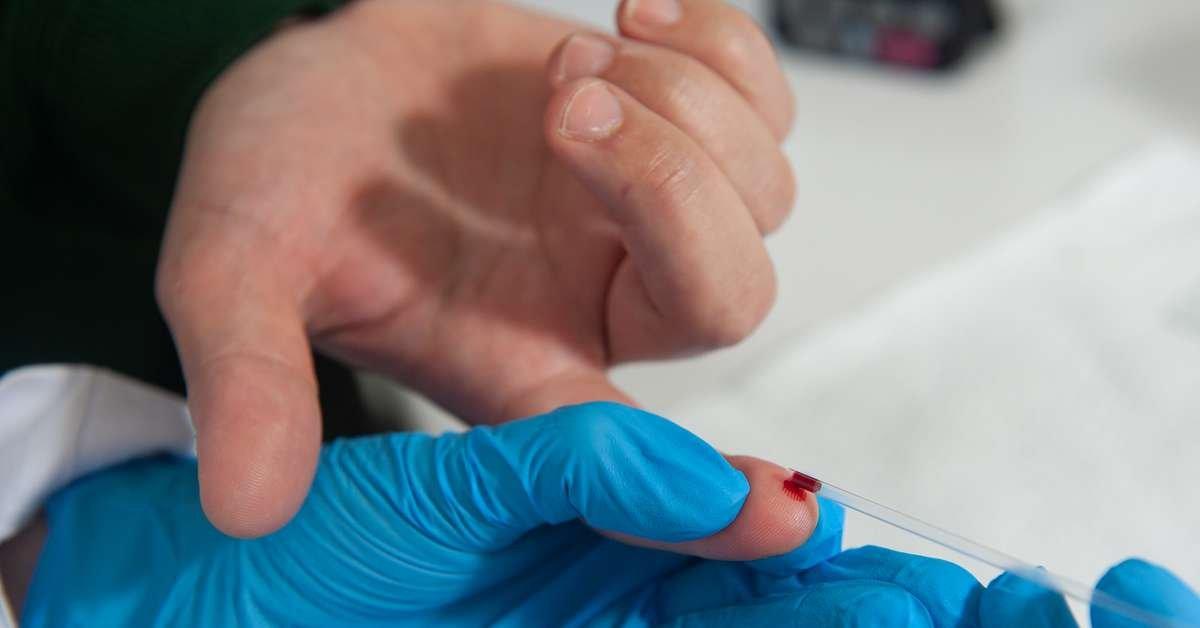
A third of participants in a study conducted by Hospital Moinhos de Vento were unaware of the diagnosis
Rio Grande Sul sees the worst of the disease: an epidemic.This situation appeared for a study published in August this year that has been decided by the Ministry of Health and the Department of Health (SES).He brought to the understanding of HIV data in the form of Rio Grande work, especially in Porto Alegre and the metropolitan area.
The doctor and master of epidemiology, Eliana Wendland, from the Moinho de Ventos Hospital, who is in charge of the study, emphasizes that the country has the highest HIV mortality rate in Brazil, where the capital is the municipality with the highest prevalence.
"The study was designed to represent the entire population of Rio Grande do Sul, while at the same time dividing the country into health macro-regions. 56 municipalities were drawn and, within each one, census sectors and subsequently people and houses for interviews.
The numbers are the indicated rate: The municipality of the Porto statement has a famous rate of 1.64% of people living with other people 50. If the World Organization (WHO) calculates the death rate when the level exceeds 1%.
"This means that the spread of the virus is no longer limited to specific groups, but occurs in the general population. This change requires a change in mentality, as well as disease prevention and diagnosis strategies," said the expert.
Fight against stigma and taboo
The medical researcher emphasizes that the taboos and prejudices surrounding HIV and AIDS are still great."It is necessary to reinforce that people with HIV positive can live a normal life, with monitoring and appropriate treatment. Treatment allows to reduce the viral load in the body, guaranteeing a full life", he pointed out.
"Ignorance of the disease, of its mode of transmission and diagnosis contributes to maintaining the taboo and prejudices. It is very important to downplay the idea that HIV can be contracted in public bathrooms or by sharing blankets. It is not true. Communication and education are fundamental to stopping the growth of STDs," he adds.
The importance of early detection and absence of initial symptoms
A third of people who tested positive in the survey did not know they had the virus.Eliana stressed that unlike other sexually transmitted infections (STIs), HIV does not cause symptoms early in the course of the disease.Therefore, early testing is important even in the absence of symptoms." Testing ensures faster treatment, which reduces transmission at the population level and improves the life expectancy and quality of life of infected people.", he highlighted.
The doctor emphasizes that it is needed only for the needs of the "at-risk group."
- the risk of accidents due to the use of fireworks
- which warns of an increase in the number of deaths and cases of malaria
- Invesa announces development of influenza vaccine for 2026
- Autism diagnosis in adulthood: the implications of the research and when to seek help
One of the biggest obstacles in fighting the epidemic is knowledge.To change this situation, SES claims to make access to accurate measurements easier.
According to the ministry, rapid tests are now being carried out in 2,950 health departments, and despite the floods that will hit the state in 2024, the supply of rapid HIV tests has increased by 30.5% compared to 2019.
In addition, SES says it already offers self-tests for municipalities to spread to the population, trying to achieve special classes, such as people with low education and lower social classes.
Public policy and sexuality education
Research suggests that easier access to group tests and examinations is needed.Eliana suggests the following general principles:
- Extended opening hours of health units: staff can use the test after work.
- For campaign placements in high-traffic locations: public markets, plazas, squares, swimming pools, aquatic stores,
"Sex education is fundamental and must be addressed before sexual activity begins. Discussing the topic does not encourage sex, but it does enable young people to make informed decisions about their bodies and practice resistance early in their sexual lives," said Dr.
The Geraão Consciente program emphasizes that it works directly with young people. The project is implemented in 173 municipalities and more than 850 schools and students are exposed to sexual and mental health and violence in the last year of primary and secondary education.
Prevention and treatment
HIV testing is free and easily accessible at health centres.Elian explained that the test is quick, and is done through a drop of blood on the tip of the finger, and the results appear within 20 to 30 minutes.
She emphasizes that in addition to condoms, which remain the main form of protection against HIV and other sexually transmitted diseases (such as syphilis, gonorrhea and chlamydia), there are other technologies:
- Prep (pre-exposure prophylaxis): For people who know they are exposed to unprotected sex with a higher risk of HIV infection.
- PEP (post-exposure prophylaxis): for people who have been accidentally exposed to the virus, for example in violent situations.
Pre-prophylaxis (PREP) has gained recognition.As of 2019, the number of people using the technology increased by 87.5% in the state, according to the SES.
Recommendations for the population
To contribute to reducing stigma and taboo, people should:
- Access to information - Where to find and request information about submission forms.
- Usage: Don't get tempted and free by luxury and other stars.
- Talk about the issue: promote dialogue about prevention and diagnostics, without looking for blame.
- Spread the right information: Helps to eradicate the disease.
Eliana reminds that the test is free and fast, and the treatment is also offered free of charge by the Unified Health System (SUS)."Taking care of your health and that of others is an important proposition for everyone," he concludes.