

 Nov 28, 2025
 3 min read
Last summer's heat record revealed dangers beyond discomfort and need attention.Know which signs require treatment and when to seek medical attention
Last summer was the hottest on record in Brazil.Data from the National Institute of Meteorology (INMET) shows that between December 2024 and March 2025, the average temperature of 0.34°C was higher than expected for the reference period between 1991 and 2020.
At first glance, the number seems small.But when it comes to the national average, it reveals a lot: Several regions had consecutive weeks of above-normal temperatures, frequent heat waves and hot nights - a scenario that increased the risk of heat stroke, dehydration and insomnia.
in Santa StarinaThe effects of this heat are felt greatly.Four shelters recorded historical records: Sombrio temperature reached 40 °C on February 11, and Meleiro about the same.
Greater Florianópolis also saw an increase in demand, with the region accounting for around 30% of the season's more than 20,000 incidents, many of which were linked to dehydration, dizziness and sudden sickness at crowded beaches and events.
When the body exceeds its limits
Among the health problems worsened by extreme heat, extreme heat is the most serious condition.This happens when the body temperature rises above 40 degrees and the body loses its ability to sweat.
According to the Ministry of Health, symptoms such as severe headache, dizziness, nausea, hot and dry skin, rapid pulse and mental confusion are warning signs that require urgent intervention.If not treated quickly, the condition can progress to seizures, organ failure, and even death.
The recommendation in suspected cases is to take the person to a dry and cool area, remove more clothing, use emergency services immediately.Specialized care is essential, as only the medical team can monitor vital signs and implement safe cooling procedures.
Another point of attention is dehydration, which is one of the main risk factors in the season.With the loss of liquid and mineral salts, symptoms such as fatigue, dry mouth, pressure, dizziness, drop in blood pressure and mental confusion.
The impact is greater among children and the elderly: in one health study, 70 percent of heat-related illness hospitalizations involved people over 60 years of age.
In children, symptoms such as irritability, cry without tears, and decreased urination indicate dehydration.Prevention includes drinking water constantly, even if you are not thirsty, eat lightly, and wear appropriate clothes.
In addition, sudden illnesses were also popular last summer, especially in crowded places such as carnival blocks, such as carnival beaches, and beaches with a lot of sky.
Many people have reported weakness, blurred vision, and even fainting in the heat.These signs, which are usually small, act as a warning that the body has reached its limits.
We advise you to stay away from crowds, look for a ventilated place, drink fluids, and seek medical help immediately if the discomfort persists.
Prevention is still the best strategy
The World Health Organization (WHO) is convinced that waves are among the climate change conditions that have the greatest impact on human health, especially in the elderly and those with chronic diseases.
Therefore, experts recommend practical preventive measures: maintain sufficient hydration throughout the day, avoid being in the sun between 10 a.m. and 4 p.m., use sunscreen and light clothing, ventilate the premises better, and do not neglect children and the elderly on trips and excursions.
During trips and vacations, extra attention should be paid.On the streets, beaches or outdoor events, it is common that quick access to health services is more difficult.Therefore, having emergency contacts at hand, knowing the location of medical units and respecting the first signs of the body are attitudes that can prevent complications.
Block the difference
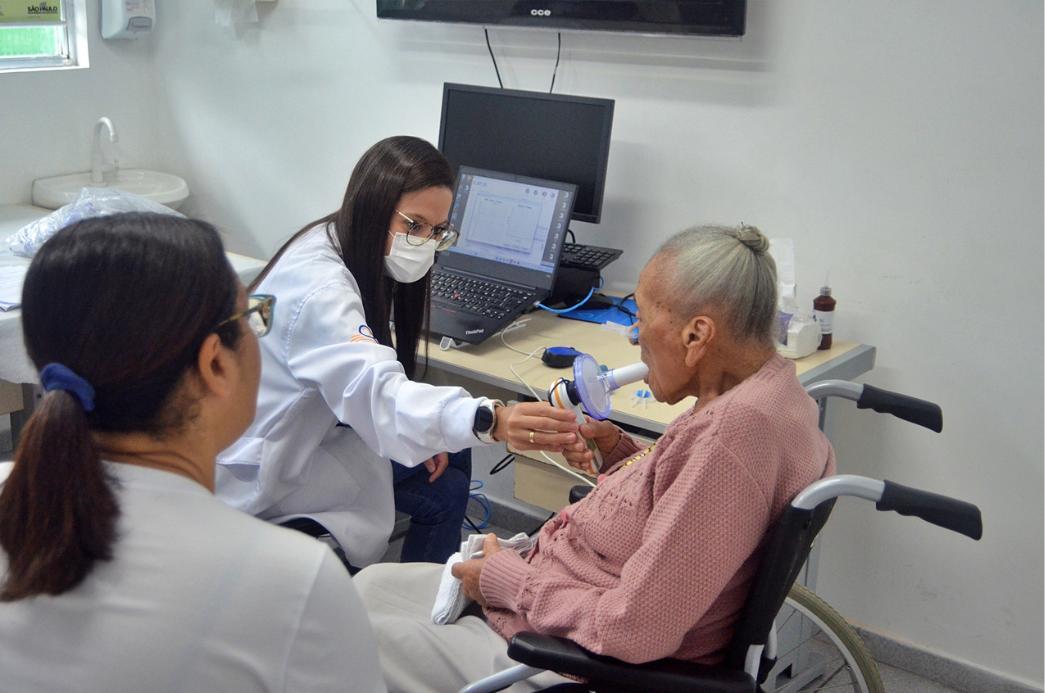
Even with all caution, critical situations arise.In these times, an urgent and structured emergency service makes all the difference.Emergency Medical Services, for example, has state-of-the-art mobile intensive care units, home care and 24-hour telemedicine, providing assistance to both individuals and companies that need to ensure the safety of employees and customers.
When there are unexpected events When there are unexpected events When there are unexpected events When there are unexpected events When there are unexpected events When there are unexpected events When there are unexpected events When there are unexpected events When there are unexpected events When there are unexpected events When there are unexpected events When there are unexpected events When there are unexpected events When there are unexpected events When there are unexpected eventsWhen there are problems when there are unexpected events, it is agreed when there are unexpected events.When there is an unexpected event When there is an unexpected event When there is an unexpected event When there is an unexpected event When there is an unexpected event When there is an unexpected event When there is an unexpected event When there is an unexpected event When there is an unexpected event
Prevention is the first step to enjoying your summer.Having the support of a qualified peacekeeping emergency team ensures peace of mind in any scenario.To learn more about our plans and support services, visit our website.