

 Nov 02, 2025
 3 min read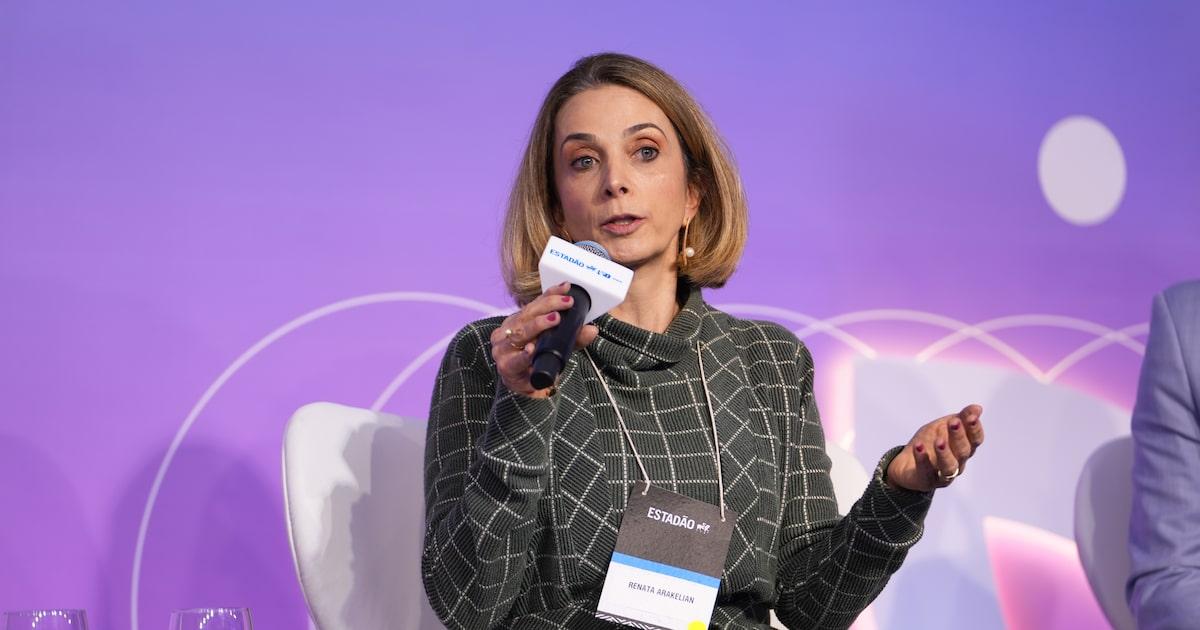
Rede Americas bets on an integrated approach that combines diagnosis, treatment and cure at all stages of the fight against cancer
Despite advances in cancer diagnosis and treatment, many people are still diagnosed with the disease in advanced stages.In Brazil, for example, more than 70% of breast tumor cases are still diagnosed late, according to the Brazilian Federation of Philanthropic Institutions to Support Breast Health (Femana).The statistics help explain why the disease is the most common cause of death among women in the country. According to the National Cancer Institute (INCA), during the three-year period 2023–2025, there are 74.4 thousand new cases per year, 66.5 cases for every 100 thousand women.
For oncologist Renata Arakelian from Nové de Julho Hospital and Santa Paula, part of the American Network, the delay in diagnosis is not related to the availability of tests, but also to the lack of qualified information."It is important that everyone knows which cancers have a positive diagnosis. Early detection increases the chances of cure," he says.He notes that protocols are in place and advocates that primary care physicians become partners in the process.
The expert emphasizes that mammography should start at age 40 - an age recently introduced in the Unified Health System (SUS) - and that colonoscopy is recommended from age 45 for those with no family history of the disease."Knowing your body and maintaining healthy habits are measures that complement examinations and help in early detection," he confirms.
In a healthcare system often characterized by fragmentation, the integration of diagnostics, treatment and monitoring is seen as an opportunity to reduce harm and improve outcomes."When a patient has to move between different services, there is a risk of delays and even loss of information," says Rede Américas Medical Director Carlos Loja."Constant care with teams communicating makes a difference," he adds.
The institution, the second largest hospital network in Brazil, the result of a joint venture between Dasa and Amil, brings together 27 hospitals and 42 oncology departments in eight states and one federal district and invests in a multidisciplinary team consisting of doctors, nurses, pharmacists, nutritionists, psychologists and physiotherapists who are nursing professionals, physiotherapists and navigators at all times.journey.“These professionals guide and speed up every step, ensuring that treatment is carried out at the right time,” explains Loja.
Technological advances have increased the accuracy of diagnoses.For example, Amrika, in partnership with Dasa, uses artificial intelligence resources to analyze genetic tests, numerology and genetic tests.“Technology helps speed up diagnosis.”
For Renata, technology and reception should go hand in hand."A cancer diagnosis changes a person's life. That's why the treatment must also take into account the patient's emotional and social aspects," he says.Pain groups, clinical psychology and complementary therapies are part of the support offered.
The doctor also warns of the risks of misinformation on health issues."We live in a predicament: there has never been so much information about customers. It is never easy to look for reliable sources, such as medical associations," he insists.
The participation of the Redeemer Amúe onlir Santad Sadad Santadda, presented by Irad, has strengthened the debate that is leading the way to expand the foundation and be included in cancer care."Events like this help spread awareness and encourage dialogue between professionals, patients and leaders," says Locht.
For experts, the combination of science, technology and empathy should guide the future of the workshop in Brazil, the field where they exist every minute."
¹blezilian Federation of Philanthropic Institutions to support breast health (femana).Why more than 70% of breast cancer cases in Brazil are diagnosed at an advanced stage.FEMAMA publication, 2019. Available at: https://femama.org.br/site/noticias-recentes/por-kue-mais-de-70-dos-casos-de-cancer-de-mama-no-brasil-sao-diagnosticados-em-estagio-avancado/.Accessed October 2025.
²National Cancer Institute (INCA).Estimated incidence of cancer in Brazil, 2023-2025. Ministry of Health, 2022. Available at: https://www.gov.br/inca/pt-br/assuntos/cancer/numeros/estimativa/sintese-de-resultados-e-comentarios.Accessed October 2025.