

 Nov 11, 2025
 3 min read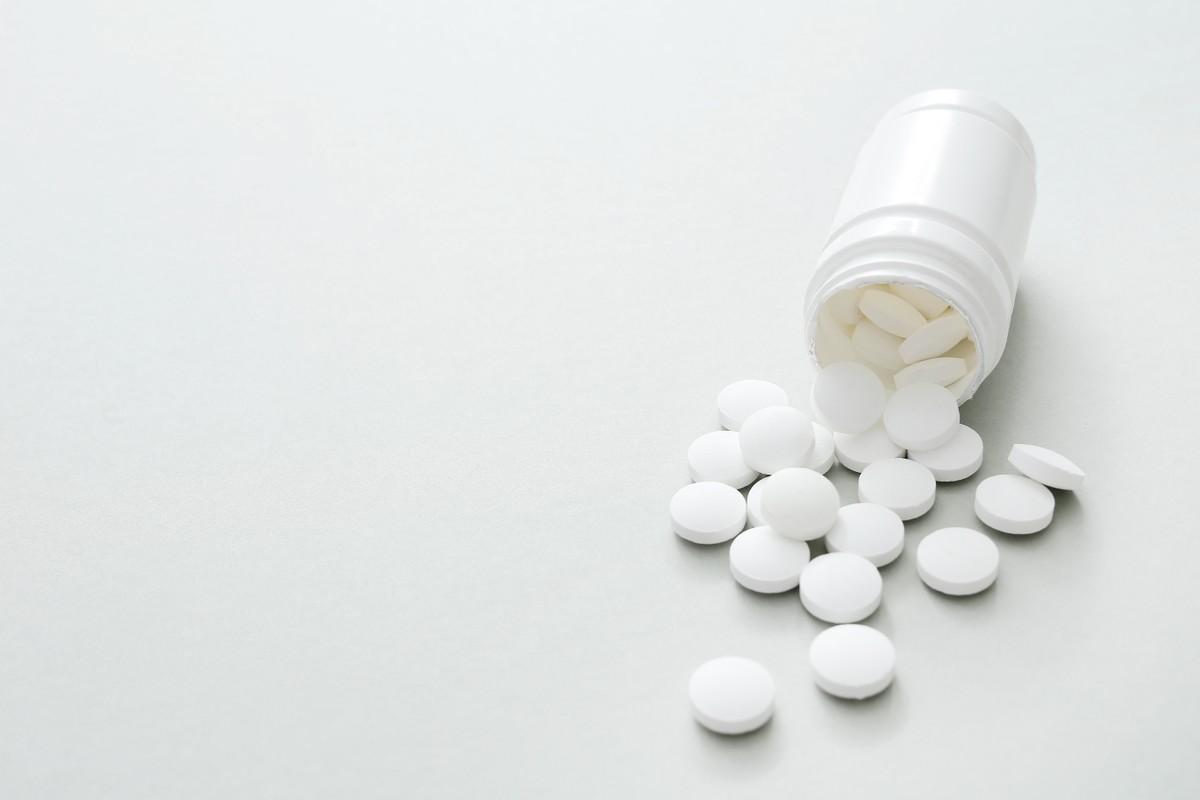
Medicines from Merck have the same effect as Monochlonal, but it is more affordable;The hope is to launch it in 2027 in the United States
Revolution in cholesterol treatment: New pill can dramatically lower LDL levels, trials show
Merck's drug has the same effect as monoclonal antibody injections, but is more affordable;It is expected to launch in the US in 2027.
no time?The AI tool is you
GENERATED ON: 11/09/2025 - 10:02
A new pill from Merck promises to lower cholesterol at a lower cost
Merck has developed an innovative pill called enlicitide, which promises to drastically reduce LDL, the "bad" cholesterol, by blocking the PCSK9 protein.In trials, it has been shown to be as effective as monoclonal antibody injections, but at a much lower cost.The US launch is planned for 2027, offering an affordable and revolutionary alternative to the fight against cardiovascular disease.
Meck, the company put the Statins in the world at least 40 years old, that is the most, of the most ", the level" is available in adults.
- Air Fryer: 7 Foods You Should Never Cook in an Air Fryer
- Ninth cause of death in the world: a new study warns of the "silent" disease, which kills 1.5 million a year
The new pill, Ancaitide, blocks a liver protein, PCSK9, that slows the body's ability to eliminate cholesterol.With more PCSK9, PCSK levels are dramatically inhibited and heart attack and stroke rates in high-risk patients are reduced by up to 20% in the first year.
At least 6 million adults in the United States are eligible for PCSK9-blocking medications.
Merck's chief research officer said the goal is to make the pill affordable.It would be an alternative to expensive biweekly or monthly injections of monoclonal antibodies that do the same thing.But only about 1% of eligible patients have received the vaccine, which includes Sanofi's Regeneron and Praluent and Amgen's Repatha. Many patients don't want to get the shot themselves.And insurance companies create payment barriers.The cardiologist saidThe list price of the drug exceeds US$500 (approximately R$2,666) per month.
On Saturday at the American Heart Association convention, Merck released the results of a 24-week study of 2,912 people who had or were at risk of a heart attack, stroke or other cardiovascular event.They were randomly assigned to receive enlicida or a placebo.along with
There was no difference in side effects between those taking the pill and those taking the placebo.
This Sunday, the company will announce the results of a small study related to the genetic condition, familial hypercholesterolemia, which leads to high LDL levels.
Many studies have shown that the lower the level of LDL, the better - the tax dollars in the city's LDL decrease.And it is true that there is no paper to have a level with LLL that is very good, including a level of 10 or 20 mg/dL.Adults who do not take drugs to lower cholesterol
- I definitely got better, - said Daniad soffer, a cardiologist from the University of Pennsylvania.
When the injectable drug was approved a decade ago, it seemed like the PCSK9 protein might be an "obvious target" for pills, explains Christy Ballantyne, principal investigator of Merck's clinical trials and director of the Center for Cardiometabolic Disease Prevention at Baylor College of Medicine in Texas.But according to Ballantyne, the chemists said that was not possible.
The problem was that to block PCSK9, chemists would have to find a substance that would bind to that large flat surface of the PCSK9 protein that the antibodies in injectable drugs attach to.On a cellular scale, antibodies are huge.A small molecule, like those in most pills, would be too small.
The solution Czech found after 10 years of research was to create a pepohydrate circle from a common molecule in tablets.
This method, according to the guardians of the book, the president of the research institute, researchers can produce many drugs that can replace many other drugs.
Li advises us that making and distributing pills is much cheaper than insctionbles that have to be stored.The goal, he says, is to keep the price of the pcsk9 tablet low so that it can be widely used in the US and other countries.He wants patients to look at the pcsk9 pill as "just like aspirin" or a regular blood drug for medical reasons.
-The dream is the democratization of PCSK9 - he says.- And this dream has the potential to come true
An inexpensive pill that, taken daily, has the same effect as injectable drugs, "could be revolutionary," says Christopher Cannon, a cardiologist at Brigham and Women's Hospital in Boston who consults with several pharmaceutical companies, but not Merck.
David Maron, a preventive cardiologist at Stanford University, says:
—If affordable, this would make a huge difference to millions of people at risk of heart attacks and strokes.
AstraZeneca is also working on a PCSK9 pill, said Maron, who is part of an independent group of experts monitoring the safety of the drug in clinical trials.
Much remains to be done.Merck is conducting a large study of more than 14,500 people to see if lowering LDL cholesterol reduces heart attacks and strokes and cardiovascular deaths.
Merck plans to apply for marketing approval for enlisitide from the Food and Drug Administration (FDA) in early 2026 and expects to bring the drug to market in 2027.
Cannon, for one, is waiting.
- I see this in the future - he concluded.